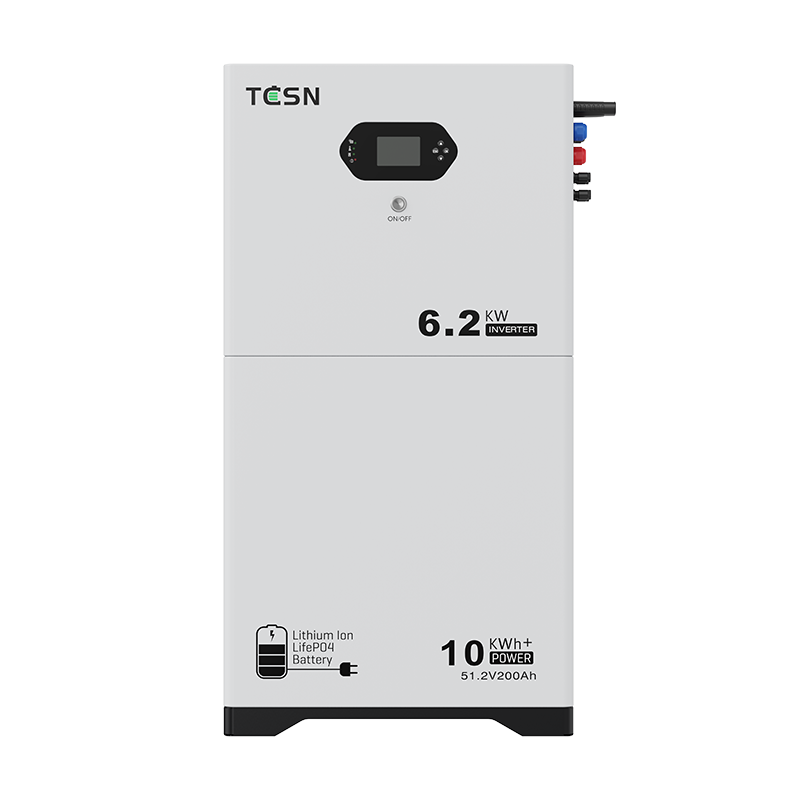
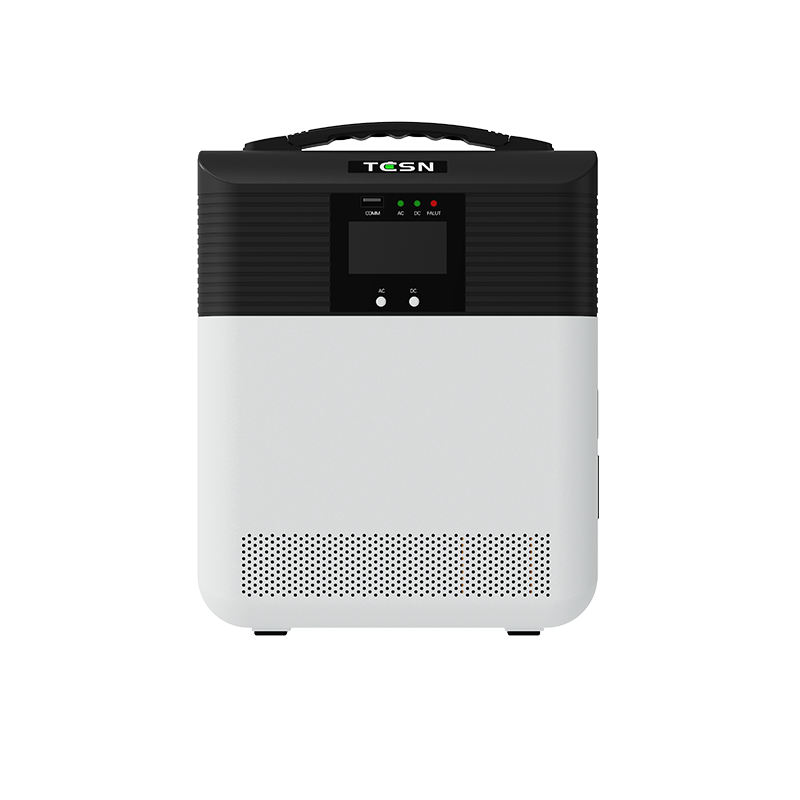
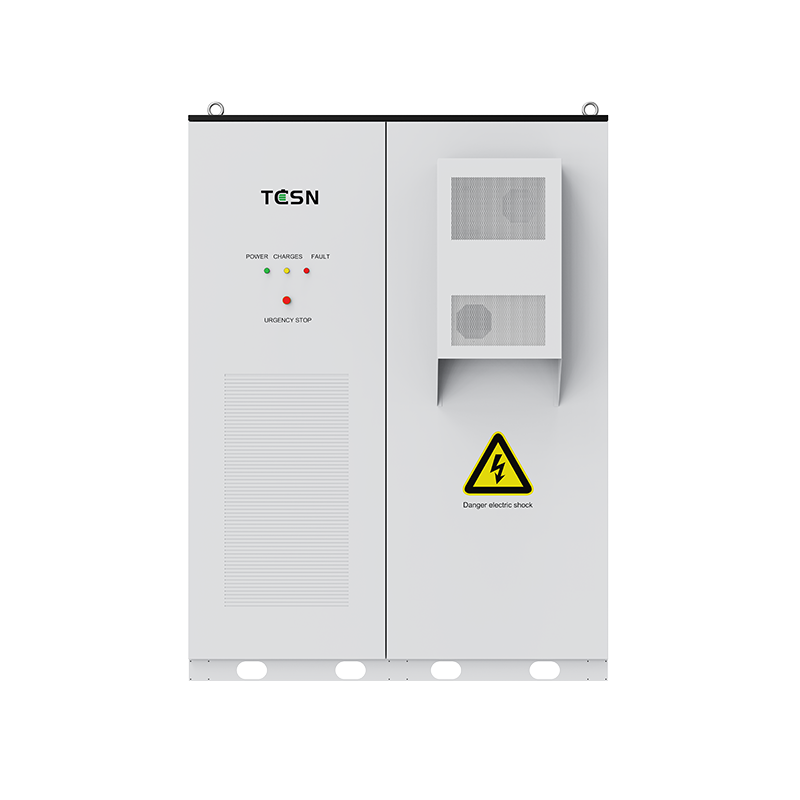
The application of lithium batteries to replace lead-acid batteries in solar energy systems brings multiple changes and advantages, including the following:
1. Energy density: The energy density of lithium batteries is much higher than that of lead-acid batteries, which means that lithium batteries are able to store more energy in the same volume or weight. This enables the system to provide more power in a smaller space.
2. Cycle life: Lithium batteries typically have a longer cycle life and can withstand more charge/discharge cycles without significantly reducing capacity. In contrast, lead-acid batteries have a relatively short lifespan, especially when deeply discharged.
3. Charging efficiency: Li-ion batteries usually have a higher charging efficiency than lead-acid batteries, meaning that under the same charging conditions, Li-ion batteries can be filled faster and with less energy loss.
4. Weight and size: Li-ion batteries are much lighter and smaller, which is especially important for space-constrained solar systems (e.g., home rooftop solar systems).
5. Depth of discharge: Li-ion batteries are able to support deeper depths of discharge, whereas lead-acid batteries are prone to damage when deeply discharged. Lithium batteries are able to utilize stored energy more efficiently.
6. Maintenance requirements: Lead-acid batteries require regular maintenance (e.g., checking electrolyte levels), while lithium batteries are usually maintenance-free, which reduces management costs and complexity for users.
7. Environmental impact: Lithium batteries have some advantages over lead-acid batteries in terms of environmental impact, especially in terms of recycling and disposal of materials. However, the production and recycling of lithium batteries also face environmental challenges, and therefore need to be considered in a comprehensive manner.
8. Cost: While the initial cost of lithium batteries is typically higher than that of lead-acid batteries, they are likely to be more cost-effective in the long term due to their longer service life and higher efficiency.
 简体中文
简体中文 English
 Russian
 German
 French
 Spanish