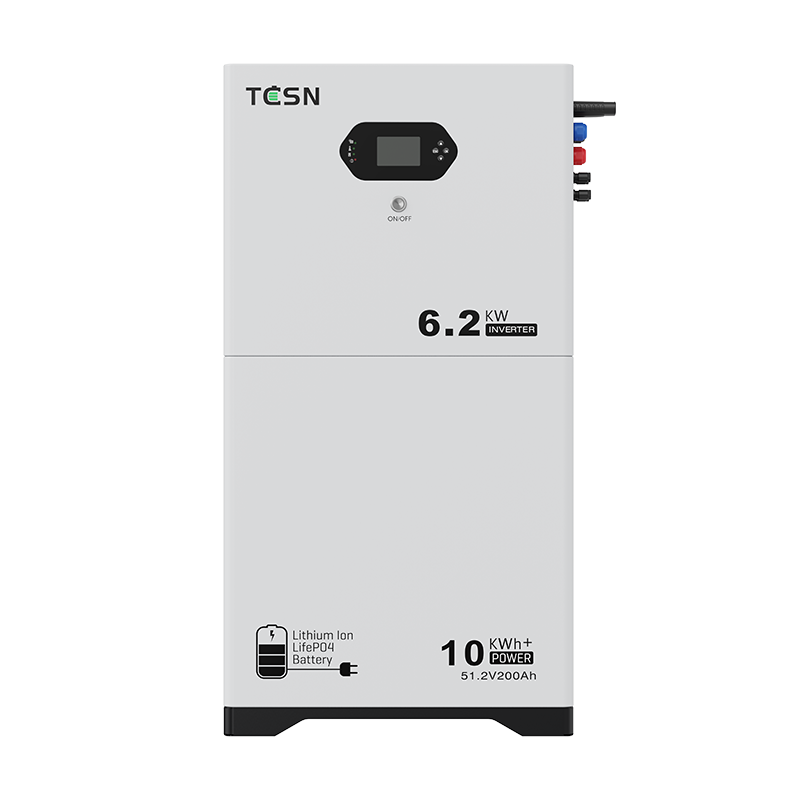
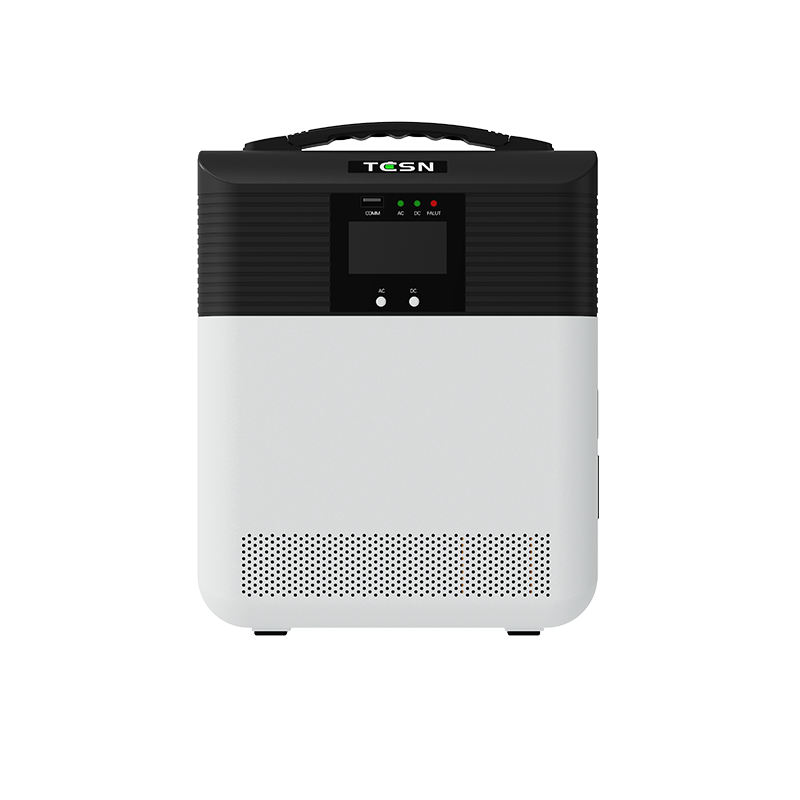
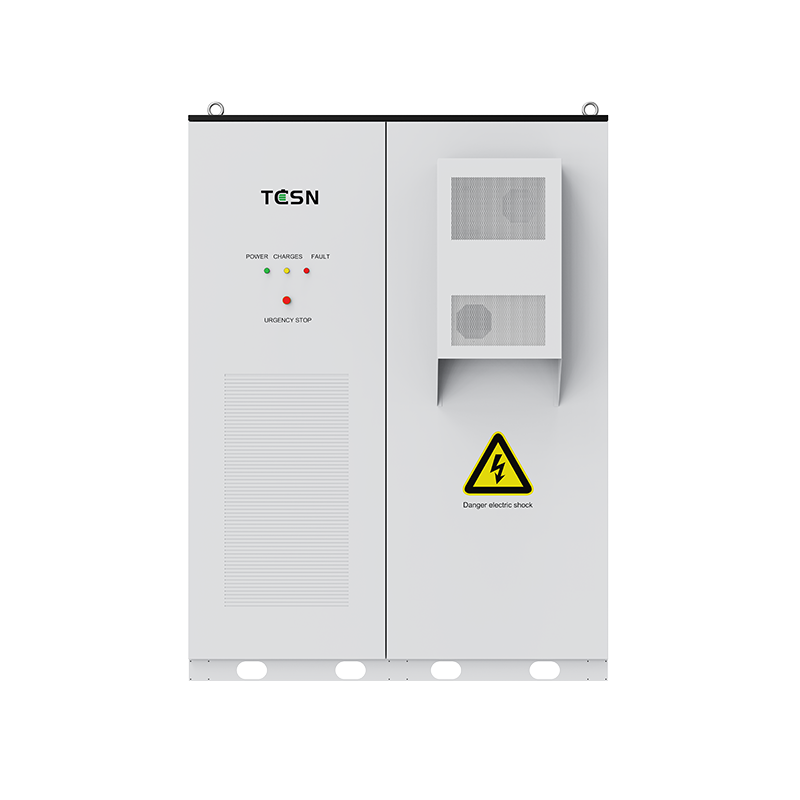
In the nuclear power sector where power reliability requirements are extremely stringent, the UPS (Uninterruptible Power Supply) system for emergency command centers plays a critical role in ensuring stable operation of key equipment. The Ningde Nuclear Power Emergency Command Center's 60kVA UPS system project has successfully achieved efficient deployment and stable operation by adopting four parallel-connected TCSN 230.4V 280Ah lithium battery packs. After three months of practical application and validation, this solution has not only fully met the rigorous demands of nuclear power scenarios but has also set a new benchmark for energy innovation in industrial-grade UPS systems through the unique advantages of lithium battery technology.
I. Challenges of Nuclear-Grade UPS Systems and the Compatibility of Lithium Batteries
Nuclear emergency command centers impose far stricter requirements on UPS systems than ordinary scenarios: millisecond-level response capability, long-term standby reliability, extreme environmental tolerance, and zero maintenance risks. Traditional lead-acid battery solutions, with their bulky size, short cycle life, and complex maintenance, struggle to meet the high standards of nuclear power applications.
The TCSN 230.4V 280Ah lithium battery pack achieves perfect compatibility through the following design features:
1. High Energy Density and Flexible Configuration
With a single-cell capacity of 280Ah and a system voltage of 230.4V, the four parallel-connected packs deliver a total capacity of 1120Ah, providing hours of emergency power backup within a compact footprint to meet the nuclear power system's demand for extended backup duration.
2. Intelligent BMS for Full-Lifecycle Management
The built-in Battery Management System (BMS) monitors voltage, temperature, State of Charge (SOC), and other parameters in real time, offering overcharge/overdischarge protection, balanced charging/discharging, and fault alerts to ensure long-term safe operation without manual intervention.
3. Wide Temperature Range Adaptability
The lithium battery pack operates stably in environments ranging from -20°C to 60°C, complemented by active cooling design to accommodate the complex thermal conditions of nuclear facilities.
II. Differentiated Advantages of TCSN Lithium Batteries
Compared to traditional solutions, the TCSN lithium batteries demonstrate five core advantages in the Ningde Nuclear Power project:
1. Ultra-Long Cycle Life and Lower Total Cost of Ownership (TCO)
With a cycle life exceeding 4,000 cycles (80% capacity retention), 5-8 times that of lead-acid batteries, the TCSN lithium batteries significantly reduce replacement frequency and operational costs.
2. Rapid Charge/Discharge Capability
Supporting 1C high-rate charging/discharging, the charging efficiency is improved by 50%, ensuring quick recovery of backup power after sudden outages.
3. Maintenance-Free and High Reliability
The fully sealed design (IP65 protection rating) eliminates electrolyte leakage risks and eliminates the need for periodic maintenance like fluid refilling or equalization charging required by lead-acid batteries, reducing human-induced failures.
4. Precise SOC Monitoring
The BMS provides accurate remaining power display (error ≤3%), enabling operators to plan charging/discharging strategies in advance and avoid unexpected power failures.
5. Eco-Friendly Attributes
Free from heavy metals like lead and cadmium, the production and disposal processes align with the environmental requirements of nuclear facilities.
III. Practical Validation in the Ningde Nuclear Power Project
In the Ningde Nuclear Power Emergency Command Center project, the four TCSN lithium battery packs were connected in parallel to the 60kVA UPS system, demonstrating industrial-grade reliability through the following results:
- Seamless Switching: The UPS system achieved 0ms switching during grid outages, ensuring uninterrupted operation of command center equipment.
- Stability Performance: Over three months of continuous operation, voltage fluctuation remained ≤1%, with temperature rise controlled within 5°C.
- Energy Efficiency Optimization: Compared to the original lead-acid solution, overall energy consumption was reduced by 15%, and space occupancy decreased by 40%.
IV. Future Prospects
The success of the Ningde Nuclear Power project provides a replicable technical pathway for upgrading UPS systems in high-safety-demand scenarios. With advantages like high energy density, long lifespan, and intelligent management, TCSN lithium batteries are not only suitable for the nuclear power industry but can also be extended to data centers, rail transit, medical emergency systems, and other fields, driving critical infrastructure toward more efficient and reliable energy solutions.
Conclusion
Amid the wave of energy transition and technological advancement, the TCSN 230.4V 280Ah lithium battery redefines the backup power standards for industrial UPS systems with its exceptional performance and nuclear-grade reliability. The successful implementation of the Ningde Nuclear Power project marks a milestone breakthrough in lithium battery technology and vividly embodies the principles of "safety, efficiency, and sustainability" in energy solutions.
 简体中文
简体中文 English
 Russian
 German
 French
 Spanish