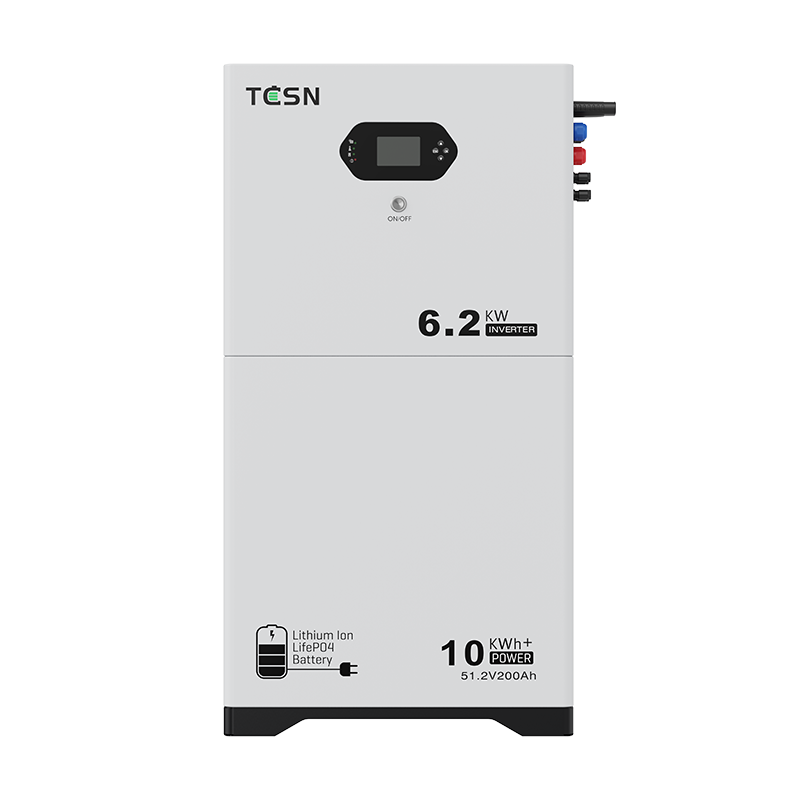
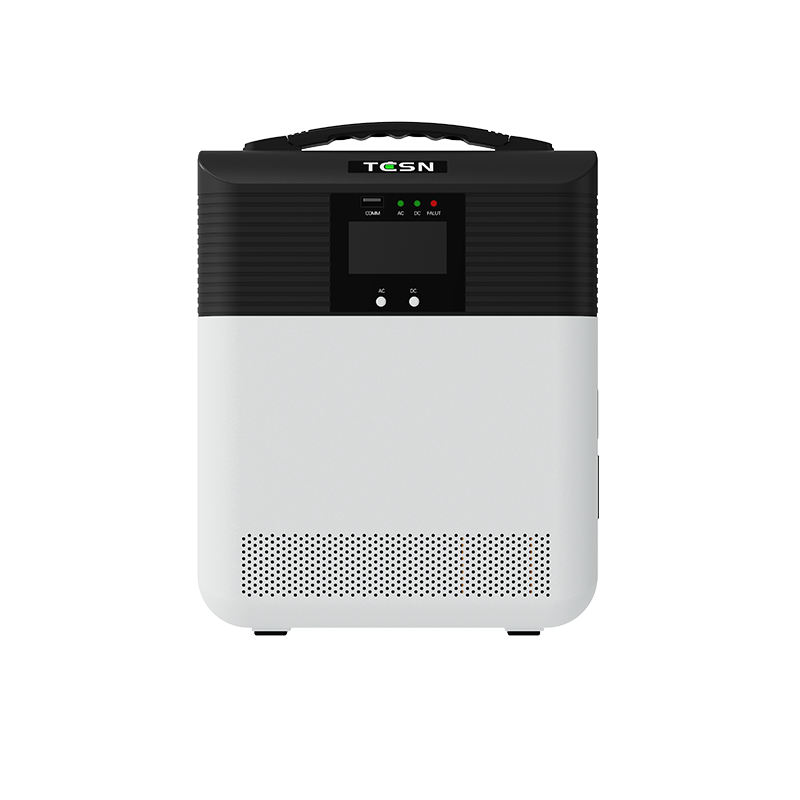
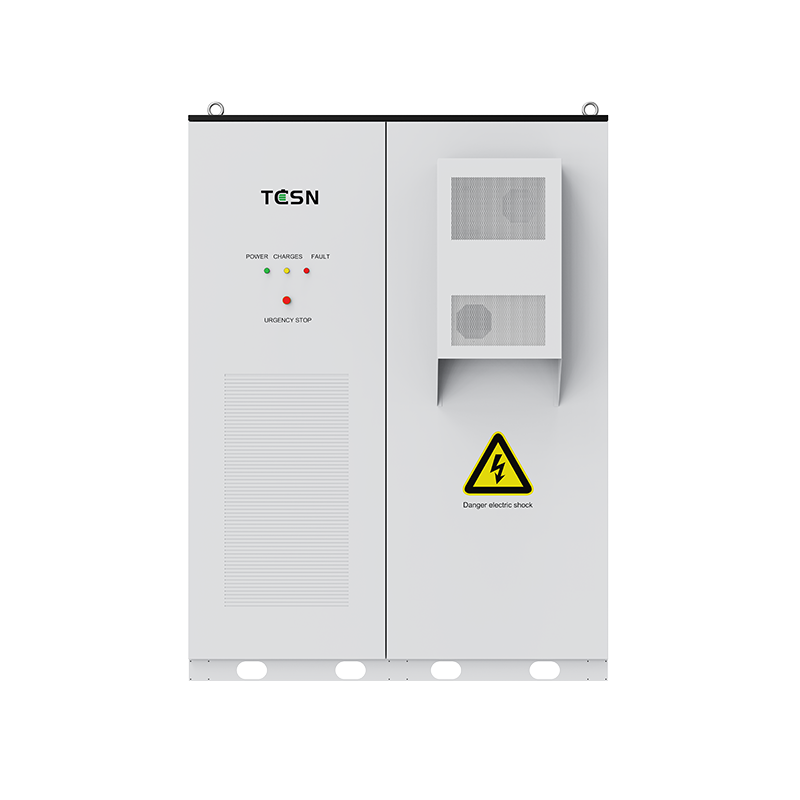
In today's digital era, the healthcare industry is experiencing a revolution in information technology. As the core of healthcare information management and processing, the stability and reliability of the power supply to the data center is critical. High-voltage uninterruptible power supply (UPS) systems play an indispensable role in ensuring the power security of healthcare data centers, safeguarding the continuity of healthcare services and data integrity.
1: Basic concepts of high-voltage UPS systems
A high-voltage UPS system is a device designed to provide efficient, reliable power that can quickly provide backup power in the event of power interruptions or fluctuations. Compared to traditional low-voltage UPSs, high-voltage UPSs offer significant advantages in terms of power density, space utilization, and energy efficiency, making them ideally suited to the needs of large healthcare data centers.
2: Ensure Normal Operation of Critical Medical Equipment
The healthcare industry relies on a wide range of critical equipment, such as medical imaging instruments, monitoring equipment and laboratory instruments. These devices require a constant and stable power supply, and any power interruption can lead to serious consequences. High-voltage UPS systems are able to switch to backup power in an instant, ensuring that these devices are unaffected in the event of a power failure, safeguarding patient safety and continuity of care.
3: Protecting Sensitive Medical Data
The security and integrity of medical data is critical, especially as the use of electronic medical records (EMRs) and patient information management systems becomes increasingly popular. High-voltage UPS systems prevent data loss and system crashes caused by power fluctuations, ensuring the availability and reliability of medical information, thereby protecting patient privacy and healthcare organization compliance.
4: Improve Operational Efficiency
The energy-efficient and miniaturized design of high-voltage UPS systems saves healthcare organizations operational costs and optimizes space utilization in data centers. The system's modular design also allows for easy expansion and maintenance based on actual needs, giving healthcare organizations the flexibility to respond to changing technology needs and business challenges.
5: Support for telemedicine and real-time monitoring
With the rise of telemedicine, healthcare organizations need to rely on a stable network and power supply to support services such as video conferencing, real-time monitoring and remote diagnostics. High-voltage UPS systems provide these critical applications with a
 简体中文
简体中文 English
 Russian
 German
 French
 Spanish