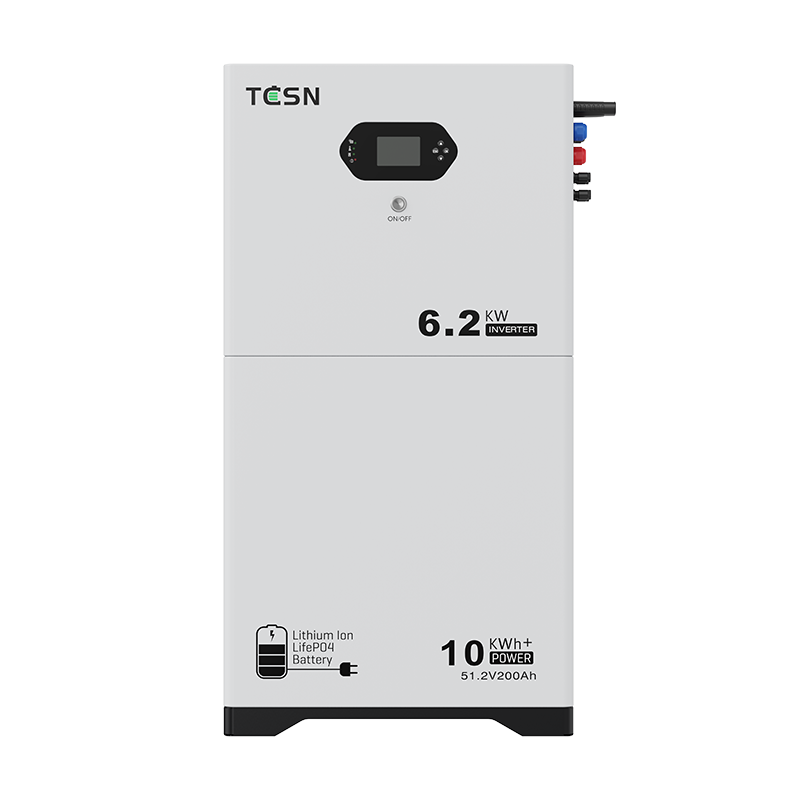
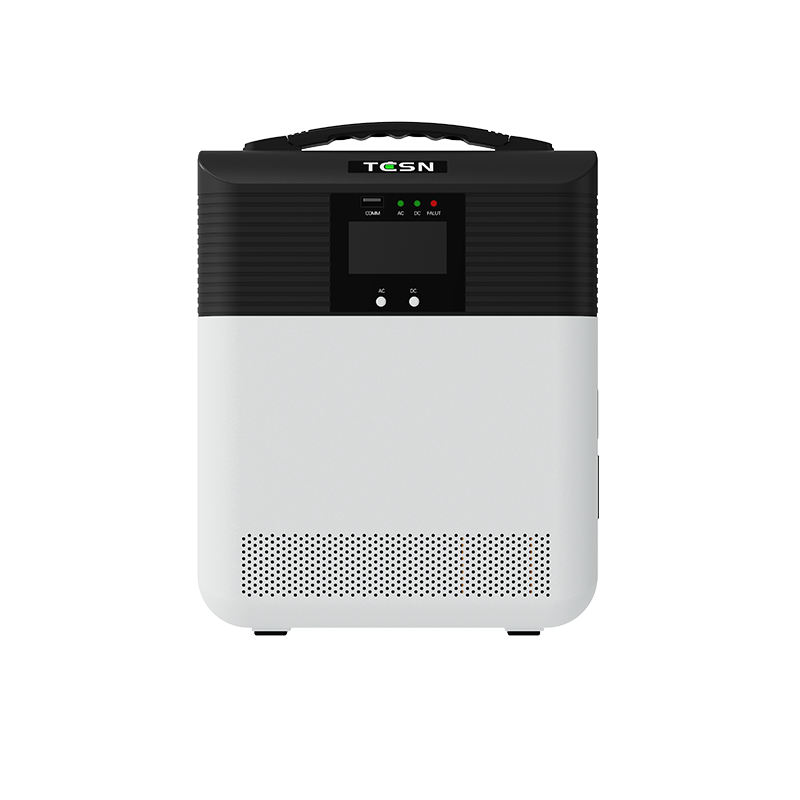
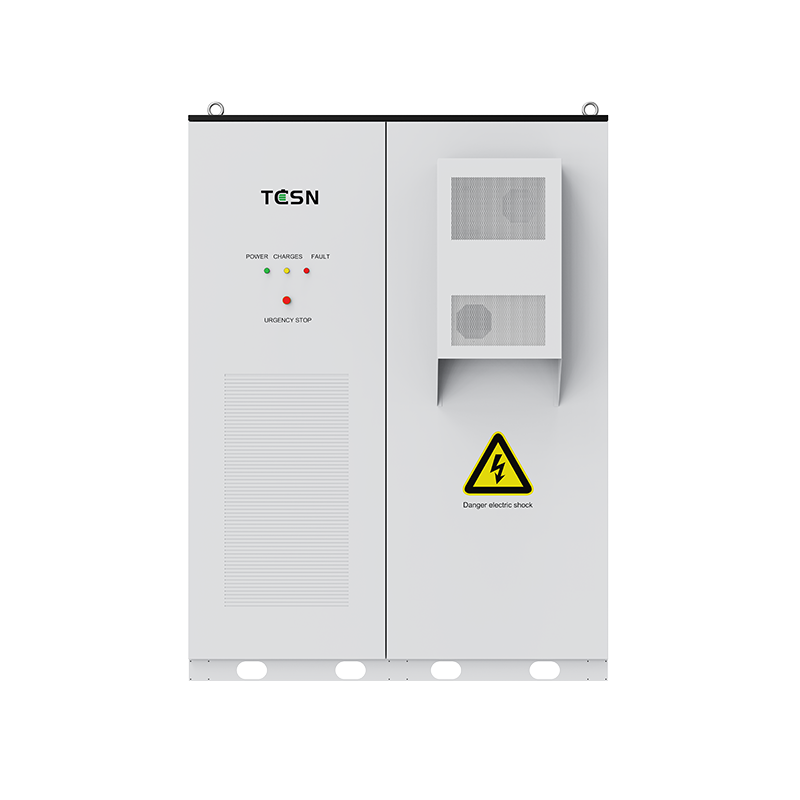
With the rapid development of information technology, educational institutions are gradually relying on data centers to manage and process large amounts of educational resources, student information and online learning platforms. The stability and reliability of power supply to data centers is critical to ensure the continuity of educational services. In this context, high-voltage uninterruptible power supply (UPS) systems play an important role in the data centers of educational institutions, providing the necessary power support and protection.
1: Basic concepts of high voltage UPS systems
A high-voltage UPS system is a device that can quickly provide backup power in the event of power interruptions or fluctuations. Compared to traditional low-voltage UPS, high-voltage UPS systems offer higher energy density and a smaller footprint, making them ideal for the needs of large educational institutions.
2: Ensure continuity of teaching and learning activities
In a modern educational environment, many teaching activities and courses rely on electronic devices and online platforms. High-voltage UPS systems provide immediate backup power in the event of a power outage, ensuring uninterrupted teaching and learning activities for both teachers and students. This feature is especially important for online classes, lab demonstrations, and other critical teaching activities.
3: Protecting Critical Educational Data
Educational institutions manage large amounts of sensitive student and staff information, including grades, personal information and financial data. A high-voltage UPS system can effectively prevent data loss or corruption due to power fluctuations or outages, ensuring the integrity and security of educational data, thereby protecting student privacy and institutional legitimacy.
4: Improve the operational efficiency of equipment
Educational institutions typically use a wide range of technical equipment such as computer labs, projectors and other teaching tools. A high-voltage UPS system optimizes the power supply, reduces power wastage on equipment and improves overall energy efficiency. This not only reduces operating costs, but also extends the life of the equipment, saving the educational institution money.
5: Supporting innovation and technology adoption
As educational technology continues to advance, educational institutions are increasingly adopting innovative technologies such as online learning platforms, virtual laboratories and educational management systems. These technologies rely on a stable power supply and network connectivity. High-voltage UPS systems provide the power security that ensures the smooth operation of these technologies and promotes educational innovation and development.
6: Ability to Respond to Emergencies
Natural Disasters
 简体中文
简体中文 English
 Russian
 German
 French
 Spanish