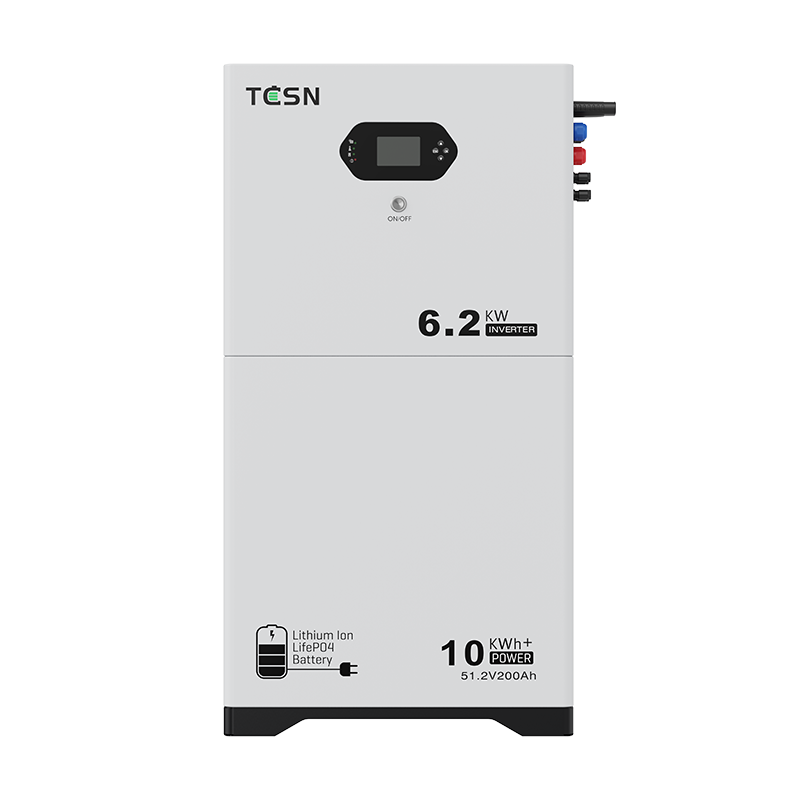
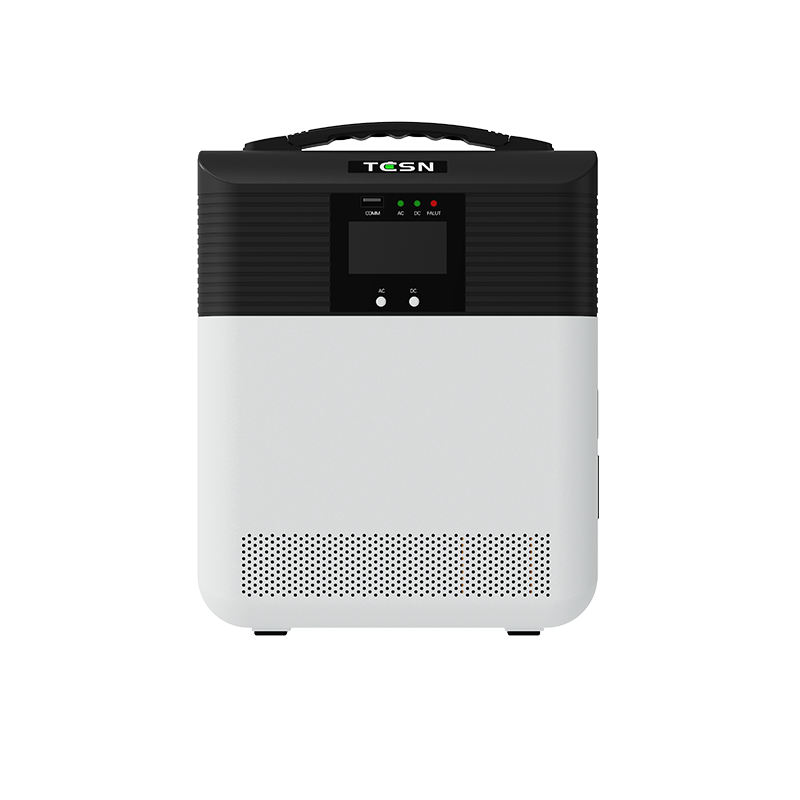
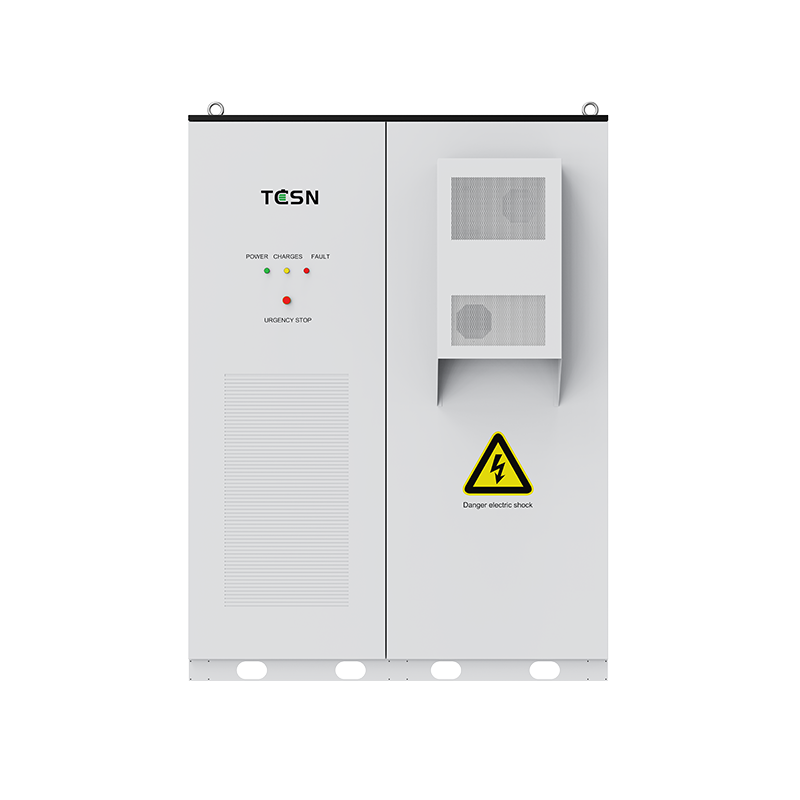
With the popularity of renewable energy and the growing demand for electricity, homeowners are increasingly concerned about managing and utilizing their energy. Energy storage systems, especially home storage batteries, have become an important tool for managing energy in modern homes. It not only improves the efficiency of energy utilization, but also brings multiple economic and environmental benefits. The following are the main roles of energy storage systems for home users.
1. Increase energy self-sufficiency
Home energy storage systems are capable of storing electricity generated during the day from renewable energy sources such as solar photovoltaic panels, allowing householders to use clean energy at night or on cloudy days. In this way, householders can reduce their dependence on the traditional grid, increase their self-sufficiency and lower their electricity bills.
2. Reducing Electricity Expenditures
Energy storage systems are able to charge during times of low electricity prices (e.g., at night) and discharge during times of peak electricity prices (e.g., during the day), thus helping householders avoid peak electricity prices and reduce their electricity bills. In addition, many countries and regions offer subsidies and incentives for energy storage batteries, which further enhances their economic benefits.
3. Enhancing the stability of electricity supply
In areas where the power supply is unstable or subject to frequent power outages, home energy storage systems can act as a back-up source of power, ensuring that basic appliances, such as refrigerators, lamps and heating devices, can still be used in the home during power outages. This stability is critical to the daily lives of householders, especially during extreme weather conditions.
4. Supporting the use of renewable energy
Energy storage systems combined with renewable energy sources, such as solar and wind, can effectively address their intermittency and instability. By storing excess renewable energy, homeowners are able to utilize this clean energy more efficiently, reducing their dependence on fossil fuels, lowering their carbon footprint and supporting sustainable development.
 简体中文
简体中文 English
 Russian
 German
 French
 Spanish