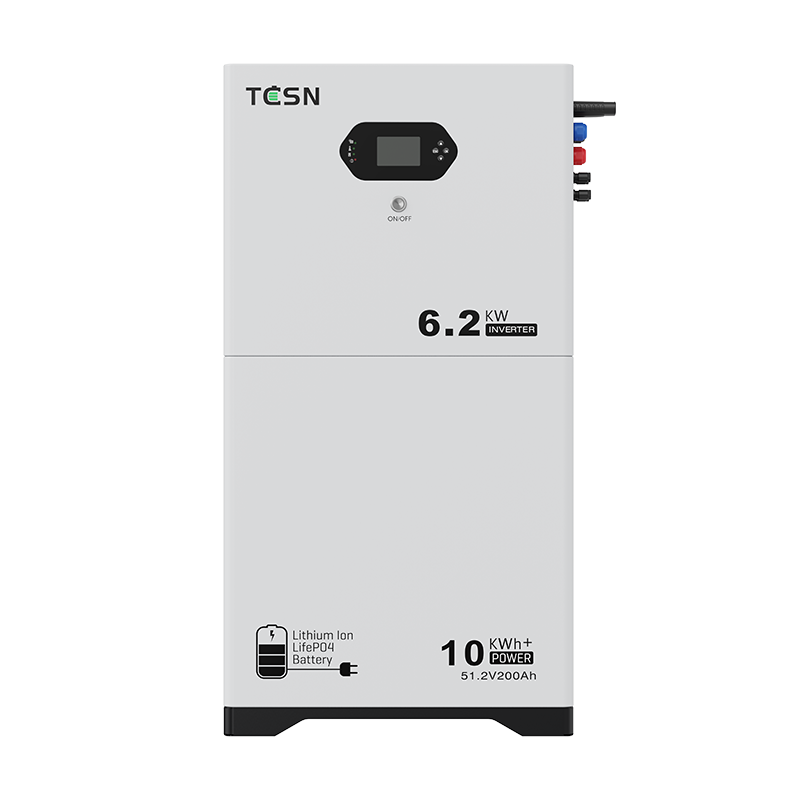
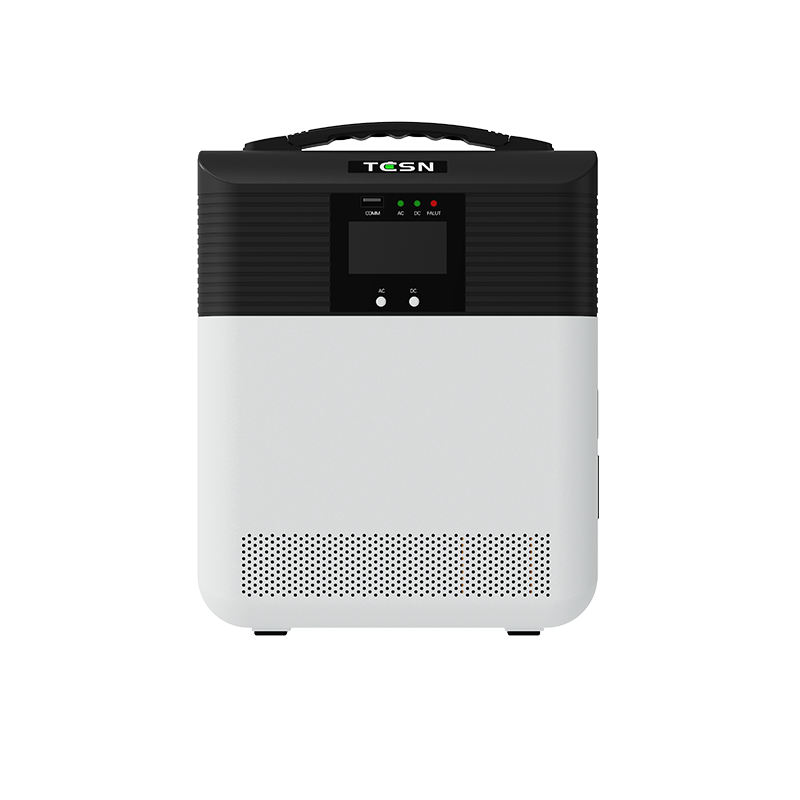
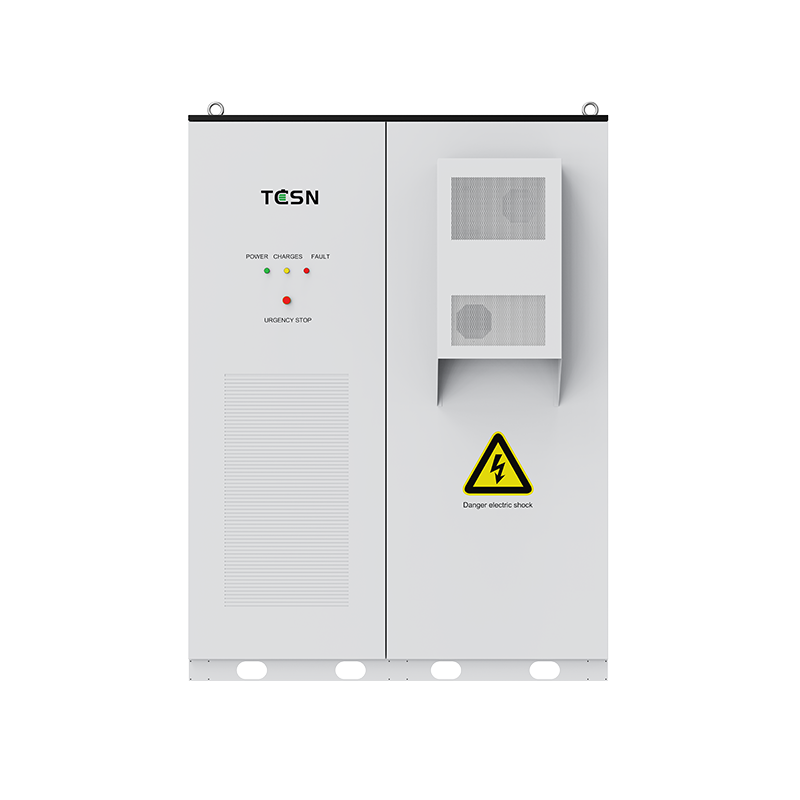
UPS (Uninterruptible Power Supply) systems play an important role in grid center protection. Its main roles and impacts include:
1. Power stability: UPS system can provide a stable power supply in the event of grid failure or voltage fluctuations, to ensure that the grid center of the key equipment and systems are not affected.
2. Transient power supply: In the event of a power interruption or transient failure, the UPS is able to immediately switch to battery power to avoid equipment downtime and protect data and system integrity.
3. Voltage regulation: UPS systems are often equipped with voltage regulation to eliminate voltage spikes and dips, protecting equipment at the center of the grid from power fluctuations.
4. Load Management: Some UPS systems are equipped with load distribution and management features that ensure that critical equipment is prioritized for power supply in the event of a power shortage.
5. Monitoring and Alarm: Modern UPS systems are usually equipped with monitoring and alarm functions to monitor the power quality in real time, and in the event of a problem, timely alarms to help operations and maintenance personnel to respond quickly.
6. Extend equipment life: By providing a stable and clean power supply, UPS can reduce the damage of power fluctuations on the equipment, thus extending the service life of the equipment.
7. Supports emergency response: In the event of natural disasters or other emergencies, UPS can ensure the continued operation of the grid center and support emergency response and recovery efforts.
Overall, the UPS system is indispensable in the protection of the grid center, which can effectively improve the reliability and security of the power system.
 简体中文
简体中文 English
 Russian
 German
 French
 Spanish